Newsroom
Discover more about the impactful work we do globally.
Filter
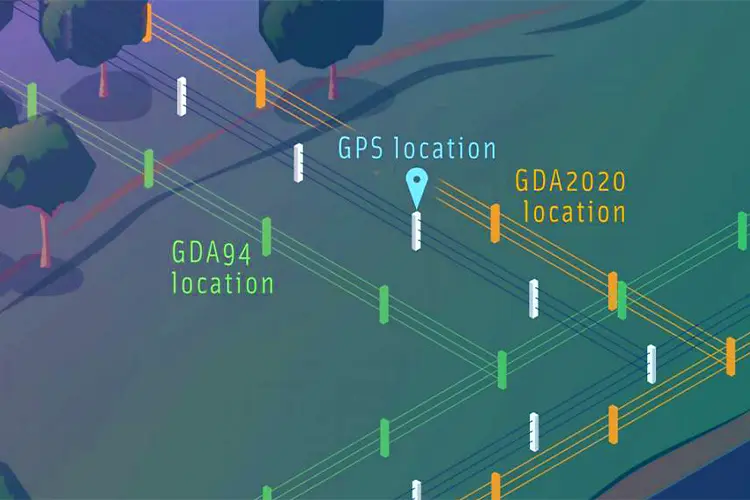
GDA2020 explained for non-GIS people
If geospatial data and systems are deeply embedded into your work operations, you might have heard “GDA2020” muttered around hallways over the past year. That’s because it’s a bit of a big deal. In late 2017, GDA2020 (Geocentric Datum of Australia 2020) was gazetted as Australia’s official datum – and the existing datum, GDA94, was

Positioning Australia for the future
In 2018, the Australian Commonwealth Government committed AUD $224.9m to the Positioning Australia program to provide 10 centimetre accurate and reliable positioning to all Australians, as well as accelerate the adoption and development of positioning technology and applications. This is a significant improvement from the 5-10 metre accuracy you can currently achieve using consumer positioning devices. The

Using open spatial data: key things to consider
Spatial data can be expensive and time consuming for your team to capture, clean and ingest into geospatial software. However, open spatial data (OSD) is fostering innovation through free and unrestricted access to geospatial data collected by a community of geospatial analysts. These days, businesses commonly supplement their own business information with OSD to help
Subscribe to the #GeotechFriday newsletter
If you want to keep up-to-date with exciting new developments and technologies in the geospatial industry, then you’re in luck. NGIS has a team of GIS analysts and developers that are working with an array of technology stacks. NGIS has released #GeotechFriday, the fortnightly blog written by and dedicated to the people who are working every

What Cloud data warehouse is best for geospatial processing?
Spatial science teams need a data warehouse that can support the sheer volume of geospatial data they have to process. There are now a number of Cloud data warehouse options available in the market and this has created a new challenge for organisations; how does a GIS team decide which data warehouse will meet the
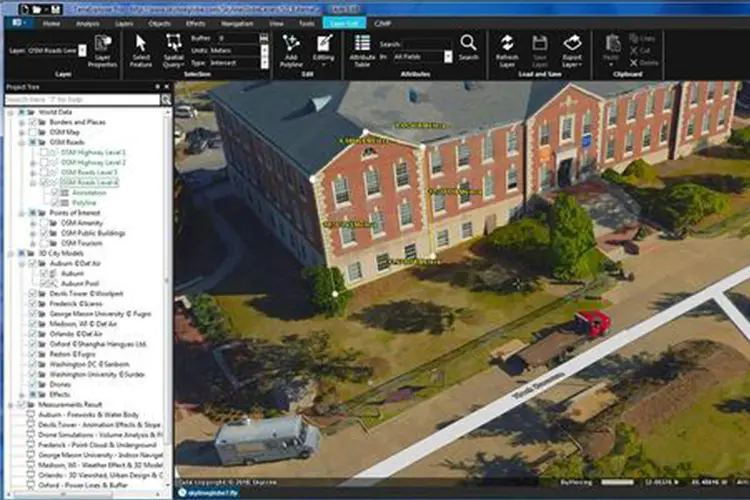
How to stream GIS data into online virtual reality
Building a Virtual Reality (VR) environment using spatial data was a task previously reserved for developers with a strong understanding of Geographic Information System (GIS) data and gaming engines, which – as you can guess – was a niche area of expertise. However, Skyline’s TerraExplorer 7.2 release is the first GIS platform to make streaming

The benefits of staying QGIS savvy
QGIS has been revolutionising the availability and usability of geographic information systems (GIS) for professionals and amateurs alike. Its ability to do almost anything spatial – from creating maps and performing spatial operations to analysing geospatial data has made it the most used desktop GIS application in the open-source space. With more features and plugins